
Inbound marketing vs. outbound – which rules supreme? While there is no perfect answer, the ultimate strategy depends on your goals and resources. What do we mean by inbound versus outbound, and how can you determine which one is right for you? Marketing has many facets, so lets see what variation is most likely to work for you.
What Is Inbound Marketing?
Inbound marketing is ideally used when your future customers are actively looking for a solution to their problems, discover your organization and make contact, instead of one of your people reaching out to them through cold calling or cold emailing.
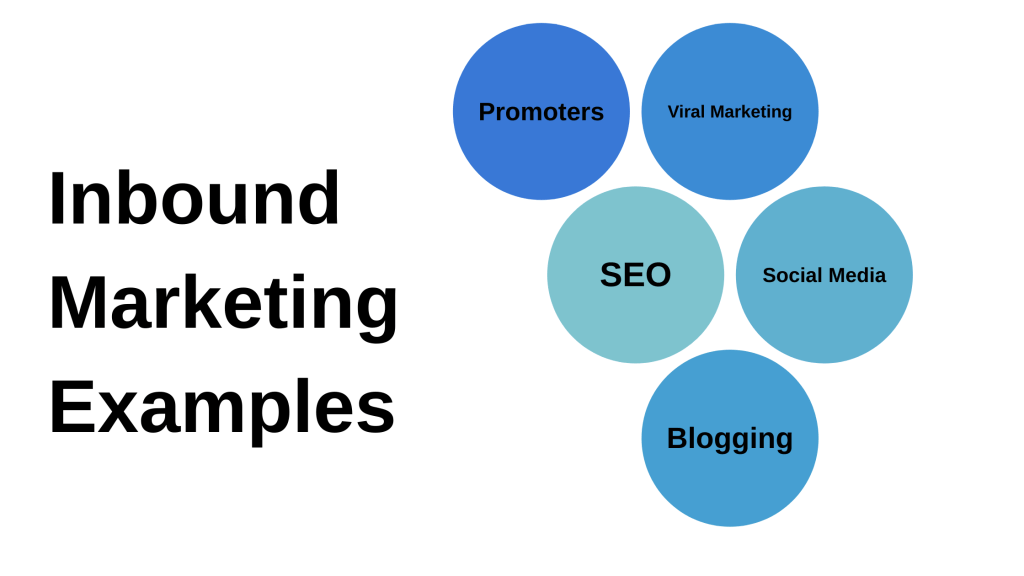
Examples of Inbound Marketing:
Inbound marketing is a customer-focused approach that attracts future customers through relevant and valuable content. It’s about providing solutions to your customer’s pain points and building meaningful relationships over time.
- Engaging blog posts written around SEO and keywords
- Organic social media that’s shared across your best lead sources
- Paid search ads used on social media channels such as LinkedIn or Facebook
- Valuable long-form content like eBooks that add value
- Informative and enjoyable YouTube videos
- Webinars and podcasts with industry leaders as guests
As you can see from this list, inbound marketing relies on content creation, search engine optimization, social media marketing, email marketing, and lead nurturing.
Inbound Marketing Principles
4 Stages of Inbound Marketing
This inbound methodology in four stages is designed to turn your prospects into loyal customers:
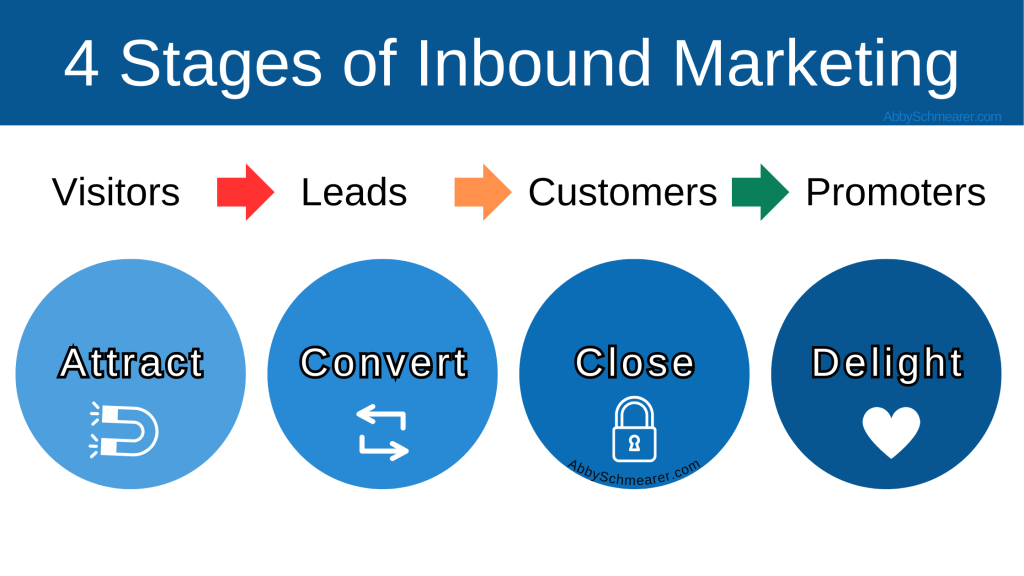
Attract
Attract your visitors to your website with valuable, enjoyable, and easily accessible content. Using educational keywords will attract those who haven’t yet decided where or if to make a purchase.
Convert
Turn those visitors into leads by capturing their contact information, and saving it for later. This can be done by requiring each visitor to access the content for free, but requiring a name and email address.
Close
Once you’ve figured out where they are in the sales funnel, you can nurture them through the sales funnel and lock in that deal!
Delight
And once they are officially your customers, make sure you keep them happy by delighting them with exceptional post-purchase experiences.
Personalization and Context
Inbound marketing really emphasizes the context the customer provides, and that includes personalizing and tailoring the content and messaging to their specific needs and preferences. You will ideally provide relevant content at the right time that they need it, in the right format, and that businesses can use to enhance engagement and build trust with your audience.
Content is King
This cannot be overstated. Inbound marketing depends on creating high-quality, informative, and engaging content that resonates with your target audience. This content can be in whatever format works for you, such as blog posts, videos, e-books, infographics, podcasts, or webinars.
Permission Based Marketing
Inbound marketing relies on “permission-based marketing”, where your prospective clients will voluntarily opt-in to receive communication from your business. This is the exact opposite of outbound marketing, which often involves “interruptive advertising”, which are messages pushed onto an audience without their consent, such as a commercial.
What is Outbound Marketing?
Outbound marketing is also known as traditional marketing, or interruption marketing. Outbound takes a more promotional approach to reaching audiences, such as pushing marketing messages out to a broader audience through various channels such as commercials, print advertising, cold calling/emailing, direct mail, and display advertising.
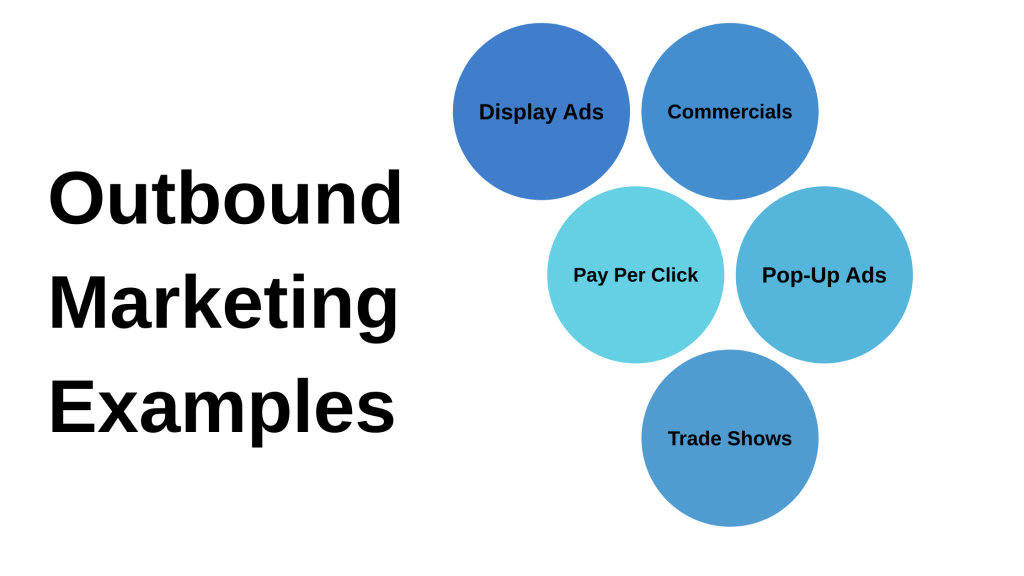
Examples of Outbound Marketing
Examples of outbound marketing could include:
- Display advertising
- Billboards
- TV or radio commercials
- Commercials that play at movie theaters, before the previews
- Flyers or print media, such as at the bottom of a receipt
It generally is more expensive than inbound marketing because it requires a push to send the information out to a wider audience, instead of attracting those already interested in the topic.
Outbound Marketing Principles
Mass Communication
Outbound marketing relies on reaching the widest audience possible by targeting specific demographics instead anyone’s individual preferences. As a result of targeting the broadest audience possible, there generally will be a lower conversion rate.
Interruptive Advertising
Outbound marketing tactics are considered interruptive in nature, aiming to capture the audience’s attention by using intrusive messaging. This can be perceived by the audience as disruptive, and can result in them becoming turned off and disengaged.
Short Term Results
Outbound marketing campaigns will typically get you more immediate results when compared to inbound marketing, but that’s because they’re focused on quick leads or sales. Using promotional offers or a sale incentive will get you a fast audience, but only for the length of the promotion. The sustainability and long-term effectiveness of the outbound marketing is limited when compared to inbound strategies.
High Costs
Outbound marketing campaigns, by their very nature, are more expensive than inbound. Outbound requires paying for the advertising and media placements, which can make the cost per impression or conversion more expensive than inbound tactics, since inbound relies on organic traffic and content creation.
Inbound vs. Outbound
Inbound and outbound are two ends of a marketing spectrum and have their own unique strengths and weaknesses. Businesses usually choose their marketing strategy based on their goals, target audiences, and resources.
Inbound Marketing Strengths:
- Builds long-term relationships with customers
- Focuses on providing value and addressing that customer’s needs
- By using permission-based marketing, is able to provide personalized responses
- Leverages content to attract, engage, and convert leads
- Offers measurable Return On Investment through analytics and tracking
Inbound Marketing Weaknesses:
Requires time and effort to generate the organic traffic and leads
- Inbound has a longer sales cycle in comparison to outbound marketing
- Requires constant investment in the content creation and search engine optimization
- Inbound marketing success depends on the business’s understanding and adapting to ever-evolving customer preferences and behaviors
Outbound Marketing Strengths:
- Generates immediate results, leading to faster conversions
- Can reach a broader audience through mass communication
- Can be effective for time-sensitive offers/events
- Offers the business greater control over message delivery and placement
- Provides the best opportunities for brand exposure and awareness
Outbound Marketing Weaknesses:
- Audiences may find it annoying or intrusive
- Requires a higher financial investment in advertising
- Yields a lower conversion rate and Return on Investment long term when compared to inbound marketing
- Relies on an interruptive advertising method that can be less effective in today’s ever-changing digital landscape
Integrating Inbound and Outbound Marketing Strategies Together
While generally seen as two different approaches, inbound and outbound marketing strategies can work together to help you achieve a greater level of marketing success.
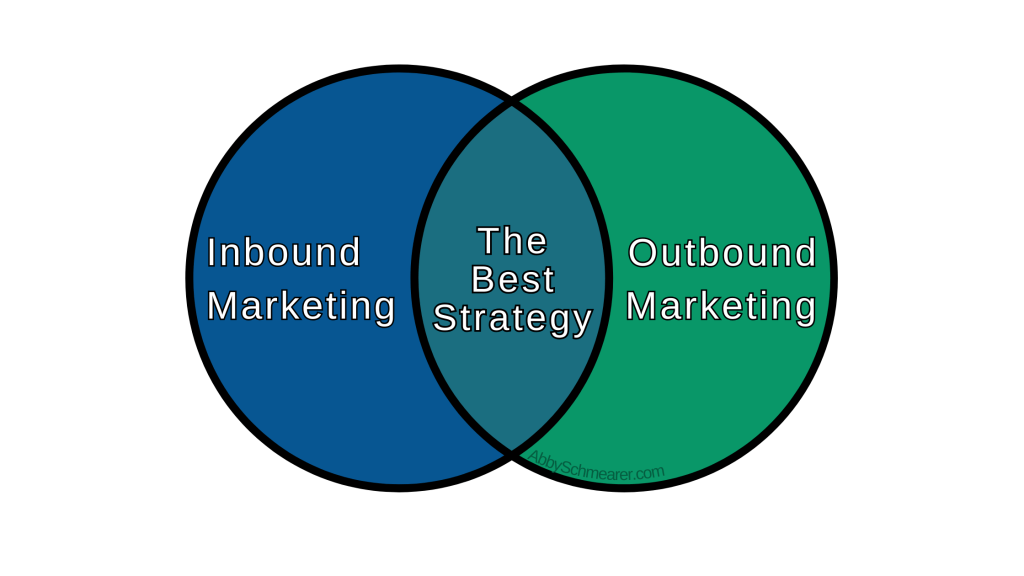
Targeted Advertising
If you combine the outbound marketing’s broad reach with inbound marketing’s data driven insights, you could send out personalized advertising messages
Content Amplification
A business could amplify the reach of the inbound marketing content by promoting in on outbound channels, such as social media advertising, sponsored content, or going into an influencer partnership, increasing visibility and engagement.
Lead Nurturing Campaigns
Using outbound marketing tactics (such as email marketing or direct mail) would nurture leads acquired through inbound channels. This provides relevant content and offers to those already interested, moving them through the sales funnel.
Event Marketing
Combining inbound and outbound tactics would help promote and host events, such as webinars, workshops, or virtual conferences, leveraging digital marketing to attract new attendees and using traditional marketing to generate awareness.
Integrated Campaigns
Developing integrated marketing campaigns that blend both inbound and outbound tactics will create a cohesive brand experience and maximize your company’s impact across multiple channels.
In conclusion, both inbound marketing and outbound marketing represent the two approaches to engaging audiences. Inbound focuses on attracting prospects through valuable content and personalized experiences, while outbound relies on interruptive advertising and mass communication channels to reach the broadest audience possible.
By understanding the resources available, the time investment required, and both the long-term and short-term effects of the strategy, you should now be able to make a clear decision. Blending the two together will ultimately give you the greatest marketing success, and by understanding the nuances of both, you’ll be better equipped to handle results. Businesses integrating both strategies together will be able to maximize their reach, active engagement, and their bottom line.
 Abby Schmearer